your guide to Mississauga Construction Project Management
Mastering Construction Project Management: Essential Strategies for Success
Mastering construction project management involves recognizing key principles and applying effective strategies. Well-executed projects require open communication and strong team collaboration. Furthermore, the right tools can boost productivity and oversight. With numerous considerations at play, including financial planning and risk mitigation, project managers must address challenges strategically. Examining these fundamental approaches reveals how to attain outstanding performance while ensuring stakeholder satisfaction. Which targeted methods can elevate a project from standard to outstanding?
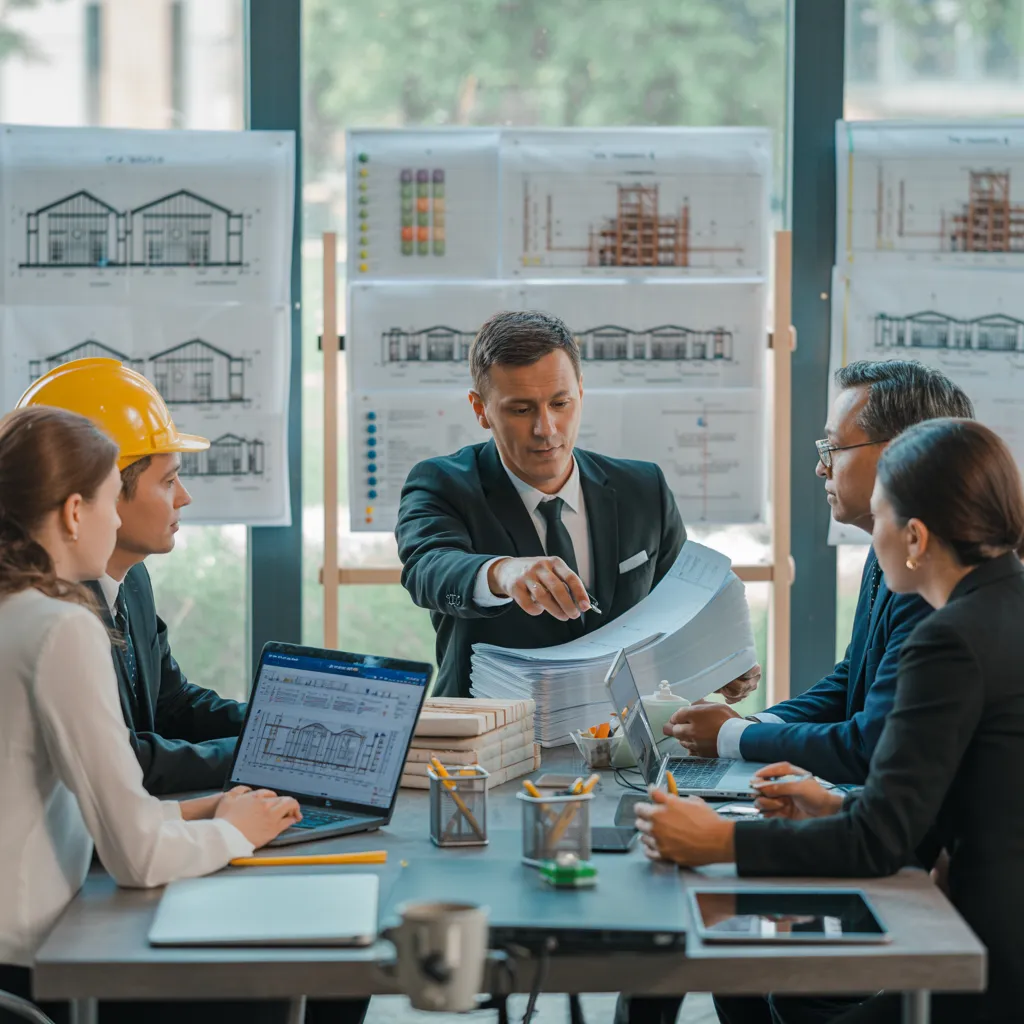
Essential Principles of Construction Project Management
Effective construction project management relies on several key principles that underpin successful execution. To begin, clear communication is essential; it keeps all parties on the same page regarding project aims, deadlines, and accountability. Following this, thorough planning and precise scheduling are indispensable, facilitating the recognition of possible challenges and the strategic assignment of resources. Additionally, effective budgeting controls costs and keeps the project within financial limits, thus preventing cost overruns that may hinder advancement. Moreover, risk management encompasses foreseeing obstacles and developing plans to address them, ensuring smoother operations. To conclude, consistent oversight and assessment of progress facilitate prompt corrective actions, encouraging responsibility and openness across all phases of the project. By adhering to these principles, construction professionals can improve productivity and ensure that projects are completed punctually, within defined parameters, and at the expected level of quality, thereby supporting the long-term success of construction initiatives.
Cultivating a Collaborative Team Culture
Building a cooperative team culture is fundamental for effective construction project management. Critical factors such as open communication channels, trust, accountability, and team-building activities considerably boost team dynamics. By prioritizing these components, project managers can develop an environment conducive to collaboration and efficiency.
Accessible Communication Pathways
Effective communication channels function as a cornerstone of an inclusive team dynamic in the management of construction projects. They facilitate the seamless exchange of ideas, guaranteeing that every team member remains on track with key project milestones and schedules. By encouraging open dialogue, project managers are able to resolve issues quickly, enabling more efficient problem-solving and decision-making. Consistent updates and check-ins build transparency, empowering team members to communicate progress and difficulties freely. Furthermore, leveraging multiple communication platforms—such as emails, project management software, and face-to-face meetings—improves overall accessibility and participation. At its core, building a culture where team members confidently share their ideas not only strengthens relationships but also drives project success by drawing on a range of insights and specialized skills.
Integrity and Responsibility
Trust and accountability form the foundation of an effective collaborative team environment in managing construction projects. When there is mutual trust among team members, they become more willing to exchange ideas, raise concerns, and back each other up in achieving project goals. Accountability ensures that each person view resource takes ownership for the decisions and actions they make, fostering a sense of ownership within the team. This environment promotes proactive problem resolution and aids in minimizing disputes, as team members feel secure in expressing their viewpoints. Setting well-defined roles and expectations deepens the sense of trust and accountability, empowering the team to work more productively. At its core, a culture grounded in these ideals not only improves team cohesion but also leads to better project outcomes, laying the groundwork for long-term success.
Team Development Activities
Even though strong communication is fundamental for all teams, participating in carefully designed team-building exercises can significantly improve collaboration among construction project management teams. These activities foster trust, improve interpersonal relationships, and break down hierarchical barriers that can hinder productivity. By taking part in exercises that stimulate problem-solving and creative thinking, team members develop the ability to capitalize on each other's strengths, driving enhanced project outcomes. Additionally, team-building initiatives can boost morale and increase motivation, creating a more cohesive work environment. Periodically arranged activities, whether held on-site or off-site, can underline the value of teamwork and common goals. Ultimately, investing in team-building contributes to a culture of collaboration, greatly impacting the success of construction projects.
Important Tools for Managing Construction Projects
Efficient construction project management is built upon a variety of essential tools crafted to optimize operations and foster collaboration. Project management software is particularly notable among these, providing capabilities such as project scheduling, asset distribution, and task oversight. These solutions enable instant communication between team members, making certain all participants stay focused on project milestones.
Teamwork solutions, such as cloud storage and document sharing applications, enable easy access to project files, decreasing the likelihood of communication errors. Furthermore, construction oversight applications provide mobile access, enabling field teams to track progress and flag problems in real time.
Additionally, budgeting and estimation tools enable precise cost projections, which is essential for preserving financial oversight. Building Information Modeling (BIM) tools also play an important role, permitting project teams to render designs in 3D, advancing design quality and decreasing errors. Collectively, these solutions establish a strong basis for successful construction project management, producing favorable project achievements.
Navigating Risks and Budgets Successfully
Overseeing risks and budgets in construction projects is critical for maintaining financial stability and achieving project success. Effective risk management involves identifying potential uncertainties that could impact timelines, costs, or quality. This requires a proactive approach, including thorough assessments and the establishment of contingency plans. By anticipating risks, project managers can mitigate their effects, thereby safeguarding the project's objectives.
At the same time, maintaining a disciplined financial plan is critical. This encompasses constant monitoring of expenditures and resource allocations. Employing projection strategies can aid in forecasting fiscal demands and modify approaches appropriately. Regular reviews of budgets and potential risks allow for prompt action, confirming that initiatives stay aligned and within budgetary limits. In the end, the integration of risk management and budget oversight promotes a resilient project environment, enabling teams to navigate challenges effectively and reach their targets.
Proven Budgeting Strategies for Cost Management
Proven budgeting methods are vital for sustaining cost control in construction projects. Precise cost estimation establishes the groundwork for financial planning, while continuous expense tracking ensures that any discrepancies are quickly resolved. Together, these strategies help project managers maintain financial discipline throughout the project's lifecycle.
Exact Cost Estimation
Precise cost estimation serves as a fundamental pillar of effective construction project management, influencing budget allocation and resource planning. It involves a detailed analysis of all project components, covering labor, materials, equipment, and associated overhead costs. By utilizing approaches such as historical data analysis, professional judgment, and parametric estimating, project managers can develop reliable estimates that reflect real-world conditions. Additionally, incorporating contingency allowances for unforeseen expenses enhances the robustness of the budget. Leveraging software solutions can optimize the estimation process, enhancing accuracy and minimizing human error. Ultimately, precise cost estimations enable stakeholders to make informed decisions, align expectations, and guarantee financial resources are allocated effectively, consequently fostering project success and lowering the risk of exceeding budget limits.
Ongoing Expense Monitoring
Tracking ongoing expenditures is vital for maintaining financial stability in construction projects. Sound budgeting practices involve regular tracking of expenditures against the baseline budget. This practice empowers construction managers to identify discrepancies at an early stage, supporting swift corrective measures. Utilizing software tools can optimize this workflow, delivering real-time data on expenditure patterns. Additionally, establishing a contingency fund serves to manage unforeseen costs without compromising the overall budget. Regular financial reviews with key stakeholders promote open communication and align expectations. By cultivating a mindset of financial responsibility among team members, companies can improve responsibility and encourage proactive decision-making. At its core, regular expenditure tracking functions as a critical pillar for successful project completion, eliminating financial overruns and strengthening financial stability.
Measuring Success: KPIs for Project Evaluation
Gauging performance in construction project management depends on the implementation of critical performance metrics (KPIs) that provide tangible insights into project advancement and deliverables. These measures operate as fundamental yardsticks, permitting project managers to assess efficiency, quality, and stakeholder satisfaction. Frequently used KPIs encompass the cost performance index (CPI), the schedule performance index (SPI), along with project completion percentage.
By evaluating these indicators regularly, teams are able to identify areas that require improvement and utilize data-driven insights to optimize performance. Moreover, KPIs associated with safety incidents and workforce productivity support a well-rounded view of the health of the project.
Defining precise KPIs from the beginning of the project secures alignment among stakeholders and offers a foundation for oversight. Periodically assessing these measurements encourages a forward-thinking approach, allowing teams to adapt strategies as difficulties surface. In summary, thorough KPI measurement is vital for reaching project goals and securing positive results in managing construction projects.
Common Questions and Answers
What Are the Best Ways to Improve Stakeholder Communication During a Project?
To enhance stakeholder communication during a project, project managers should implement scheduled updates, adopt transparent and focused messaging, employ various communication tools, and proactively gather feedback to promote collaboration and openness during every stage of the project.
What Certifications Are Beneficial for Construction Project Managers?
Recommended certifications for construction project managers consist of PMP, CCM, and AC designations. These certifications improve skills, professional credibility, and career opportunities, supporting effective project management and stakeholder satisfaction during the construction process.
How Do I Handle Conflicts Within the Project Team?
To manage disagreements within the project group, it is important to promote transparent dialogue, genuinely hear all points of view, guide dialogue to determine shared objectives, and inspire teamwork-based solutions to achieve shared positive outcomes.
What Are the Best Practices for Vendor Selection?
Essential guidelines for vendor selection encompass reviewing competencies, confirming references, analyzing pricing structures, assessing past performance, confirming compatibility with project objectives, and encouraging clear communication. Comprehensive due diligence reduces risks and improves project outcomes.
How Can Technology Enhance Construction Project Management?
Advanced technology enhances construction project management by optimizing information sharing, boosting the accuracy of data, enabling real-time collaboration, and streamlining tasks. This adoption brings about enhanced productivity, reduced costs, and smarter decision-making during every phase of the project.